
Blog / Wisdom
Character of Wisdom
Sep 21, 2026 · By Psalms for Kids
Imagine two children with the same box of bricks. One of them can name every single piece. The other one knows what to build. Knowing a lot of things is called being clever. Knowing what to do with what you know is called being wise. They are not the same thing — and the Bible has a whole shelf of books about the second one.
People call them the wisdom books: Job, Proverbs and Ecclesiastes. The Song of Songs is often counted with them too. These books don't tell a long story the way much of the Bible does. They pull up a chair, sit down beside you, and talk to you about how to live.
Proverbs is the everyday one. It's a book of short, sharp sayings — the kind a grandparent says once and you remember for thirty years. How to speak. When to stay quiet. Why a lie is a hole you dig and then fall into yourself. What a real friend actually does. A proverb is small enough to remember and big enough to change a whole afternoon.
Job is the hard one, and it is honest about being hard. Job was a good man, and then almost everything went wrong at once: his home, his health, his family. His friends turn up and try to explain it, and every explanation they offer is tidy, and wrong. Job asks God the question everyone asks sooner or later. Why?
And here is the surprising part. God answers Job — but He never explains. Instead He takes Job outside. He shows him the sea and where it stops. He shows him storm clouds, wild mountain goats, ostriches, the morning stars. He asks Job question after question about a world that was busy being wonderful long before Job arrived. By the end, Job isn't angry any more, and he still doesn't have his answer. He has something better: he has met the One who does. Sometimes wisdom is trusting Someone bigger than your question.
Ecclesiastes is the restless one. It's written by a man who tried absolutely everything to make himself happy. Money. Gardens. Building projects. Music. Being the cleverest person in any room. And after each one he says the same thing: it was like chasing the wind. You can run at the wind all day and never once come back with a handful.
So what does he decide is worth doing? Eat your dinner and actually enjoy it. Do your work properly. Be kind while you have the chance. Remember God. Those are the things that don't blow away — and for a book that sounds gloomy at first, that is a surprisingly lovely place to land.
The Song of Songs is the unexpected one. It's a love poem: two people who each think the other is the best thing in the whole world and cannot stop saying so. It sits with the wisdom books because loving somebody well is something you have to learn, the same as everything else worth doing. Many people have also read it as a picture of how much God loves His people — that delighted, can't-stop-talking-about-you kind of love.
Four very different books, then. One full of advice, one full of questions, one full of restlessness, one full of love. So what holds them together? All of them keep circling back to the same starting line, and the Psalms say it most clearly of all: wisdom begins with the fear of the LORD.
That word fear is not the frightened kind. It isn't hiding-under-the-duvet fear. It's closer to how you feel standing at the edge of the sea. You don't run away from the sea — you just stop messing about. You notice that it is real, and enormous, and far older than you, and you treat it properly. Taking God that seriously is where wisdom starts, because once you know who made everything, you begin to see what everything is for.
The Psalms belong on this shelf too. Psalm 1 opens the whole book with a portrait of a wise person: a tree planted by a river, roots deep, still green in a dry summer. Psalm 19 says the sky itself is teaching, every single morning, to anyone willing to look up.
And that is the character of wisdom, in the end. Not a person who knows the most. A person who is slow to speak and quick to notice. Honest when honesty costs them something. Kind when nobody is watching. Able to say sorry. Willing to wait. Best of all, you don't have to be grown-up to begin — the Bible says God gives wisdom to anyone who asks Him for it, and He never makes them feel silly for asking.
Start tonight, if you like. Read Psalm 1 before bed, or open the Mood Compass and find a psalm for exactly how today went.
“The fear of the LORD is the beginning of wisdom; all who follow His precepts have good understanding. To Him belongs eternal praise.”
Psalm 111:10 · BSBRead Psalm 111 →
Related articles
More from the blog
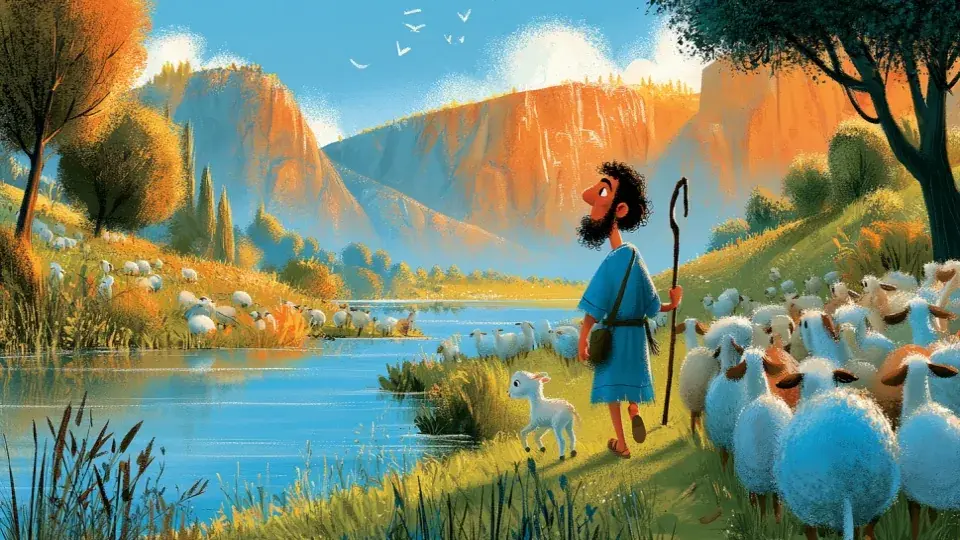
Starter Guide
10 Psalms Every Kid Should Know
Not sure where to start in the Psalms? Here are 10 psalms every kid should know: short, unforgettable, and easy to love.
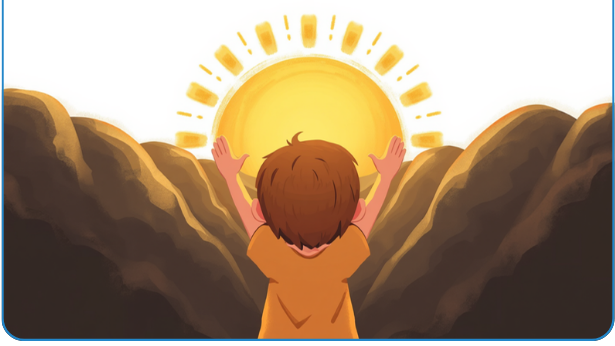
Faith
The Necessity of God in Our Lives
What happens when we try to live without God? And what changes when we invite Him into every corner of our day?
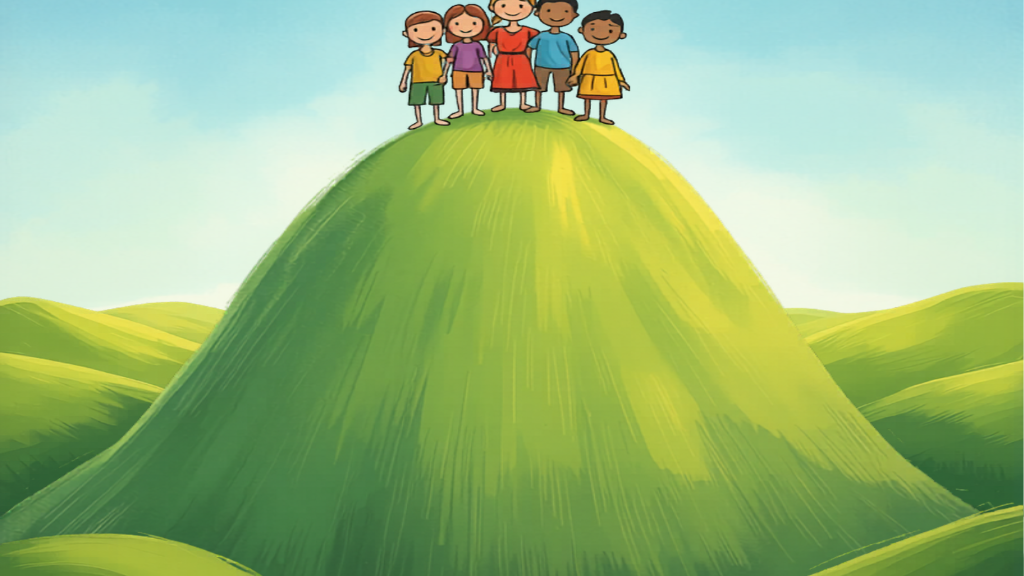
Growth
What Does Spiritual Growth Mean?
The meaning of spiritual growth for kids: it isn't about being perfect. It's about drawing closer to God one small step at a time.